


Tallow Body Balm: The Full-Body Moisturizer Guide
Tallow Body Balm: The Full-Body Moisturizer Guide

By Bonditallow Editorial Team · Updated 2026-10-05
A tallow body balm is a rich, waterless moisturiser designed to cover everything from elbows and heels to hands and shins with a single product. Bonditallow's Deep Nourish Body Balm pairs Australian grass-fed beef tallow with shea butter, coconut oil, and sweet almond oil for deep, lasting moisture. Applied to slightly damp skin after a shower, a small amount goes a long way.
What Is a Tallow Body Balm?
A body balm is a thicker, more concentrated alternative to a lotion. Lotions are mostly water; a beef tallow body balm is waterless, which means what's in the jar is almost entirely nourishing fats. That's why people usually reach for it on the driest spots first — elbows, knees, heels, and hands — and then end up using it everywhere.
Tallow is the base because its fatty acids (oleic, palmitic, and stearic acid) closely resemble the fats in skin's own lipid layer. That overlap is why the balm tends to absorb into skin rather than sit on top as a greasy film.
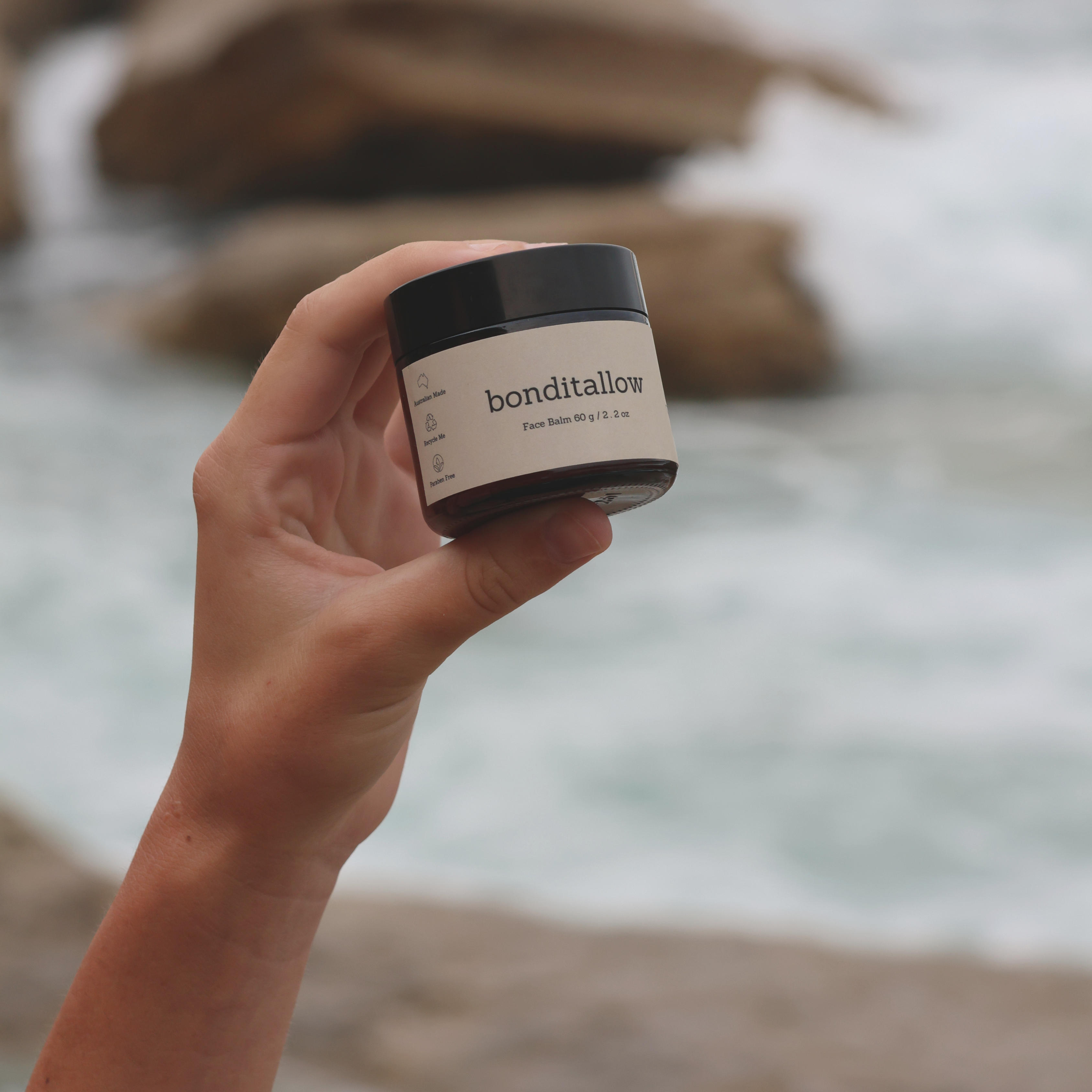
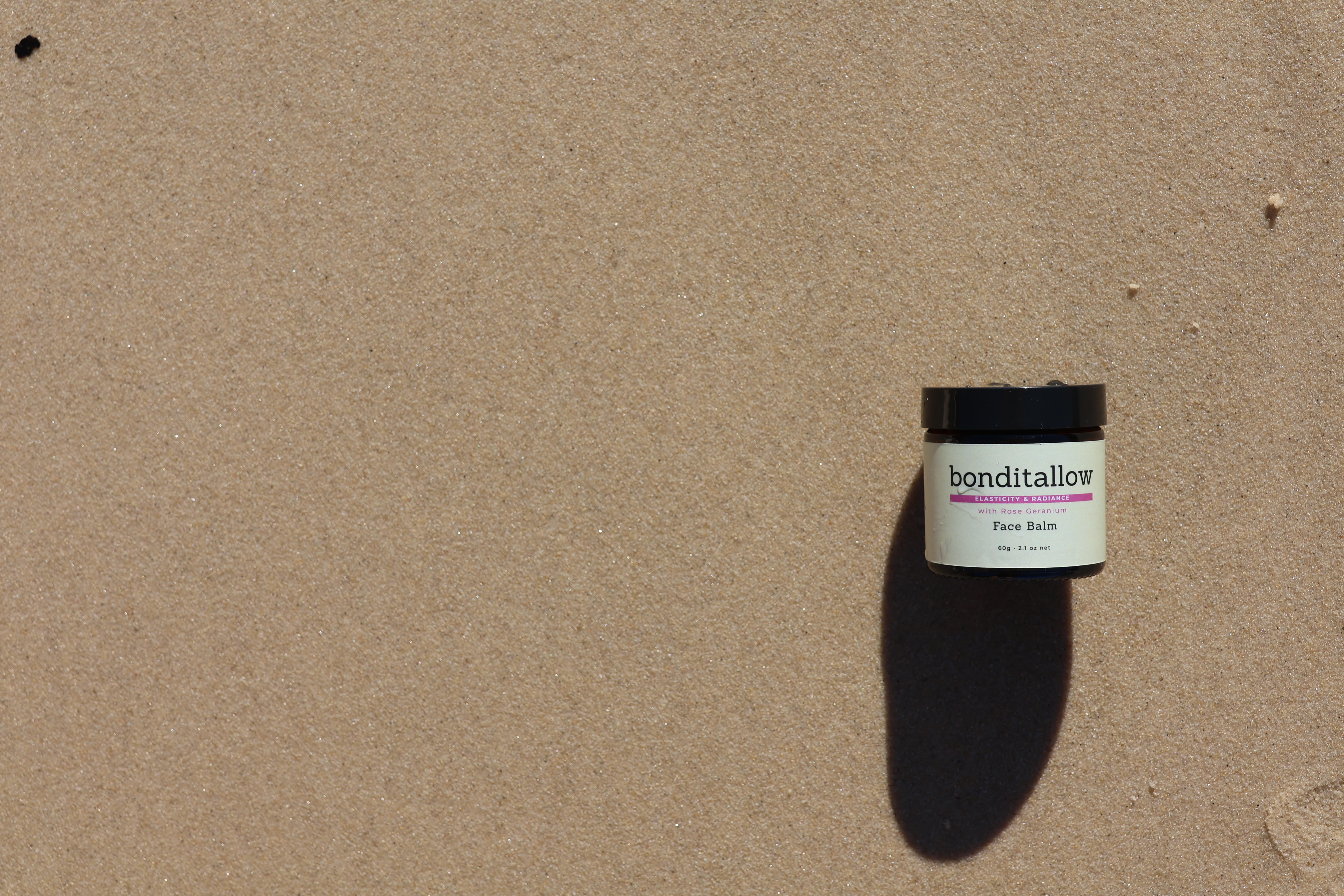
A common question is whether one tallow face and body balm can do both jobs. Bonditallow formulates face and body separately: the face balms are blended to feel lighter on thinner facial skin, while the body balm is richer for thicker skin. Using the body balm on your face isn't harmful, but it will feel heavier — our face balm buying guide explains which formula suits which skin.
What Do You Need Before Starting?
Not much: clean hands and a few minutes. The Deep Nourish Body Balm is made from Australian grass-fed beef tallow, shea butter, coconut oil, sweet almond oil, beeswax, arrowroot powder, vitamin E, and vanilla and frankincense essential oils. It contains no synthetic fragrance and no industrial seed oils.
Because the formula includes a nut oil (sweet almond) and essential oils, it's worth doing a quick patch test first — a small amount on the inner forearm, left for 24 hours — especially if you have reactive skin or known botanical or nut sensitivities.
Does It Suit Every Skin Type?
The balm is designed for normal to very dry skin across the body. Combination or oilier skin may prefer a thinner layer. If you'd rather avoid essential oils, the Sensitive Skin Body Balm uses the same tallow base without any added scent. Note that it still contains sweet almond oil, so anyone with a nut allergy should check the ingredient list carefully before using either body balm.
For babies and young children, "simple ingredients" isn't the same as "tested on infant skin." If you're considering a balm for a child, choose the essential-oil-free option, patch test first, and check with a paediatrician or pharmacist if their skin is reactive.
How Do You Apply a Body Balm Step by Step?
Application is simple, and the timing matters more than the amount:
- Shower or wash, then pat skin until it's just damp rather than fully dry.
- Scoop a small amount of balm and warm it between your palms until it softens.
- Massage it in, concentrating on the driest areas — elbows, knees, shins, and heels.
- Give it a few minutes to absorb before dressing.
- Repeat daily, or as needed when skin feels dry.
Applying to damp skin helps the balm seal in the moisture already there, which is the main reason a deep hydrating tallow body balm feels so different from a lotion that's applied to dry skin and absorbed in seconds.
Can You Use It as a Spot Treatment?
Yes. Dry patches that appear unpredictably — knuckles, shins, heels, cuticles — respond well to a small, targeted application between full-body routines.
How Often Should You Apply It?
Once a day after showering is enough for most people. Because the balm is rich, its moisture tends to last longer than a lighter lotion. In winter, or after swimming and time in salt water, a second application on the driest areas can help.
Which Parts of the Body Benefit Most?
A body balm earns its place on the areas where skin is thickest, driest, or most exposed. These are the spots most people notice first:
- Elbows and knees: skin here is thicker and creases constantly, so it tends to feel rough and dry before anywhere else.
- Heels and feet: a richer layer helps skin feel softer, particularly after walking barefoot or wearing sandals through summer.
- Hands and cuticles: frequent washing strips moisture quickly, so a small amount after washing makes a noticeable difference.
- Shins and lower legs: these areas have fewer oil glands than the torso and often feel tight after showering.
- Arms and torso: a lighter layer on damp skin is usually enough for everyday comfort.
How Much Balm Should You Use on the Body?
Start with less than you think you need. Warm a small scoop between your palms, spread it over one area, and only add more if skin still feels dry once it has absorbed. A thin layer that's fully massaged in will always feel better than a thick layer that sits on the surface. Larger areas like legs simply need a few scoops rather than one big one.
A Simple Overnight Routine for Hands and Feet
For very dry hands or feet, apply a slightly thicker layer before bed and put on clean cotton gloves or socks. This keeps the balm in contact with skin overnight rather than rubbing off on bedding. It's a low-effort habit that suits winter, or any time hands and heels feel cracked and tight.
Does the Season Change How You Use It?
Skin's needs shift through the year. In cooler, drier months, daily application after showering is usually worth keeping up, with an extra layer on hands and heels. In summer, many people go lighter overall and concentrate the balm on the areas that still feel dry, then follow a day outdoors with the after sun balm. Listen to your skin rather than following a fixed schedule.
Why Choose a Tallow Balm Over a Lotion?
Neither is automatically better, but they behave differently:
- Water content: lotions are mostly water, which can evaporate quickly; a waterless balm leaves fats on the skin's surface to hold moisture in.
- Ingredient list: a short list of recognisable fats and butters, rather than emulsifiers and fillers.
- Feel: richer and slower to absorb. In hot, humid weather you may prefer a thinner layer.
The trade-off is texture. If you want something that vanishes in ten seconds, a balm isn't it — but if your skin runs dry, the extra minute is usually worth it.
Deep Nourish or Sensitive Skin: Which Nourishing Body Balm Is Right for You?
Bonditallow offers two nourishing body balms, built on the same tallow base:
- Deep Nourish Body Balm: includes vanilla and frankincense essential oils for a warm, natural scent.
- Sensitive Skin Body Balm: no essential oils, for anyone who prefers fragrance-free skincare. A sensible starting point among body balms for sensitive skin.
If you're unsure, start with the Sensitive Skin option and move to the scented one once you know your skin is comfortable with it.
What Mistakes Should You Avoid?
Four small habits make the biggest difference:
- Using too much: a thin, well-massaged layer absorbs better than a thick one.
- Applying to completely dry skin: damp skin gives the balm moisture to seal in.
- Panicking over batch variation: natural ingredients mean texture and colour can shift slightly between jars. That's normal and doesn't affect performance.
- Skipping the patch test: especially with a nut oil and essential oils in the formula.
Rounding Out Your Routine
A body balm works best as one part of a short routine. After a day in the sun, the Aloe After Sun Cooling Balm is built for cooling and rehydrating. The Lip Balm covers the one area a body balm shouldn't be used for, and the Zinc Sunscreen handles daytime coverage on top of a fully absorbed balm.
Frequently Asked Questions
Can I use body balm on my face?
You can, but it's formulated to be richer than the face balms. A face-specific formula such as the Hydrate & Repair Face Balm will usually feel lighter on facial skin.
Will it feel greasy?
It will feel rich at first, then settle as it absorbs. Using a small amount on slightly damp skin and giving it a few minutes before dressing keeps that greasy feeling to a minimum.
Is it suitable for summer?
Many people switch to a thinner layer in hot, humid weather rather than switching products entirely. Concentrate on the areas that still feel dry — heels, elbows, and shins — and go lighter elsewhere.
Conclusion
A tallow body balm is a return to simple skincare: a short list of fats your skin recognises, applied to damp skin and massaged in. Choose the scented Deep Nourish if you enjoy a warm natural aroma, or the Sensitive Skin option for a fragrance-free routine, patch test first, and give it a couple of weeks of consistent use before judging. Results vary from person to person, but the approach — fewer ingredients, applied properly — is easy to stick with.
Ready to try a tallow body balm?
Rich, waterless moisture for the driest parts of your body, made in small batches in Australia.
Shop Deep Nourish Body Balm Shop Sensitive Skin Body Balm
New to tallow? Patch test on your inner forearm first.