


Summer Skincare Guide: Sun Protection & Lightweight Routines
Good summer skincare comes down to three things: consistent sun protection habits, lighter layers of moisturiser, and a cooling, hydrating step after time outdoors. Cancer Council Australia recommends SPF50 or SPF50+, broad-spectrum, water-resistant sunscreen, applied about 20 minutes before going outside and reapplied every two hours, alongside clothing, a hat, shade, and sunglasses. A tallow balm can help with the moisture side of your routine, but it isn't a substitute for sunscreen.
Key takeaways
- Sunscreen is one of five protections: slip, slop, slap, seek, slide. It isn't a suit of armour.
- Cancer Council recommends SPF50 or SPF50+, broad-spectrum, water-resistant sunscreen, reapplied at least every two hours.
- Cancer Council NSW advises applying sunscreen first, on clean, dry skin, then moisturiser or makeup.
- Use thinner layers of balm on damp skin in summer, rather than skipping moisture.
- After a long day outdoors, cool and rehydrate skin with an after sun balm.
What Changes in a Summer Skincare Routine?
Heat, humidity, sweat, salt water, and chlorine change what skin needs, and most people want lighter layers and fewer steps. "Lightweight" doesn't mean skipping moisture, though. Skin that's spent a day in sun, wind, and water can still end up dry and tight, so a lightweight skincare routine usually means thinner layers of the same essentials.
The core of a summer routine is simple:
- A gentle cleanse
- Sunscreen, applied and reapplied as directed
- A thin layer of balm on dry areas
- Something cooling and hydrating after a day outside
Does Tallow Work in Summer Heat?
Yes, if you use less of it. Tallow balm is rich, so the secret to tallow summer care is a small amount warmed between your fingers and pressed onto slightly damp skin. If you have oilier or acne-prone skin, or the weather is very humid, go lighter still, or use the balm at night only.
A Dermatology Times review notes tallow may be better tolerated on thicker, non-facial, non-acne-prone skin, so be cautious on the face. As with any new product, patch test first.

What Are the Most Important Sun Protection Tips?
Good habits matter more than any single product. Australia has the highest rate of skin cancer in the world, with two in three Australians diagnosed in their lifetime, according to Cancer Council Australia. Its five SunSmart steps are slip on sun-protective clothing, slop on sunscreen, slap on a broad-brimmed hat, seek shade, and slide on sunglasses.
Cancer Council recommends using sun protection on days when the UV Index is forecast to be 3 or above. That's more often than many people think.
“pretty much all year round”
— Sally Blane, SunSmart manager, Cancer Council Western Australia, on how often the UV Index is 3 or above in large parts of Australia, speaking to SBS News
A few sunscreen tips apply to every product:
- Choose the right type: Cancer Council recommends SPF50 or SPF50+, broad-spectrum, water-resistant sunscreen.
- Apply early and generously: put it on about 20 minutes before going outside. A full adult body application is about seven teaspoons (35 ml), according to Cancer Council.
- Reapply: at least every two hours when outdoors, and straight after swimming, sweating, or towel drying, whatever the water-resistance rating says.
- Cover the easy-to-miss spots: ears, the back of the neck, the tops of the feet, and the hairline.
Where Does Mineral Sunscreen Fit?
Mineral sunscreens use zinc oxide, which sits on the surface of the skin and reflects sunlight rather than being absorbed. Cancer Council recommends choosing a "primary sunscreen", meaning a product made mainly for UV protection and approved for sale in Australia by the TGA. Whichever product you choose, check the packaging for its SPF rating, water resistance, and directions.
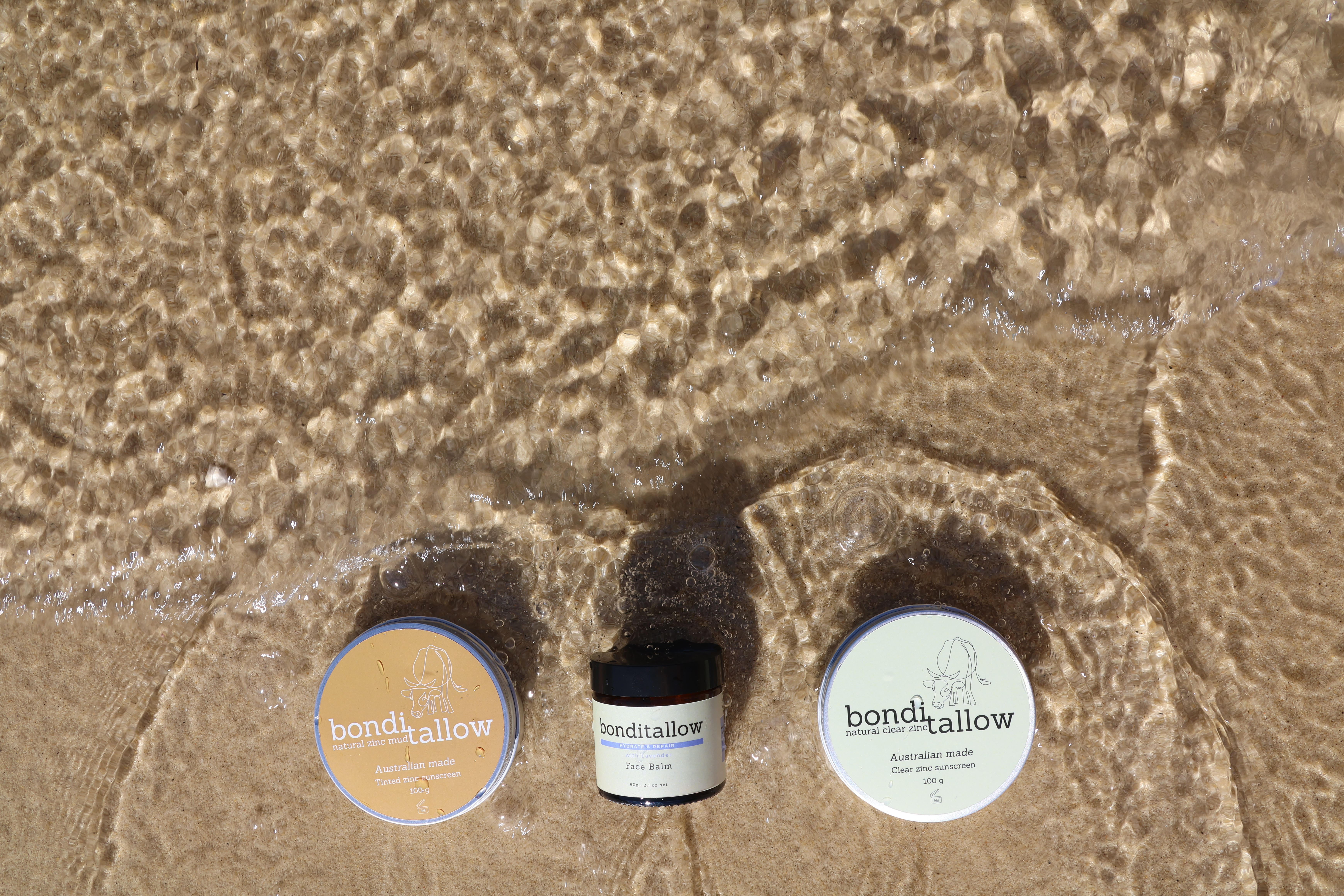
Bonditallow's Zinc Sunscreen is a zinc oxide product on a tallow base, available in Clear and Tinted versions in 50g and 100g tins. Check the product page and packaging for its directions. For a closer look at what's in it, see Zinc + Tallow Sunscreen: What's Actually in It.
Should You Apply Sunscreen or Balm First?
Apply sunscreen first. Cancer Council NSW advises that if you wear sunscreen with moisturiser or cosmetics, it's best to apply the sunscreen first, on dry, clean skin, so it can spread effectively. Then add a thin layer of balm over the top if your skin needs it.
A balm or moisturiser is not sunscreen. Cancer Council NSW also notes that cosmetics containing sunscreen aren't considered therapeutic products and aren't regulated in Australia. Sally Blane made a similar point about makeup with an SPF rating.
"You're not going to get that full protection that you need in order to prevent skin cancer."
— Sally Blane, SunSmart manager, Cancer Council Western Australia, speaking about makeup products with SPF, to SBS News
The same logic applies to any moisturiser or balm: unless a product is an approved sunscreen, don't count on it for sun protection.
How Do You Build a Lightweight Summer Routine?
Keep it to a few steps you can repeat easily. Here's a simple version for morning, daytime, and evening.
Morning
- Cleanse your face and dry it.
- Apply your sunscreen to clean, dry skin, ideally about 20 minutes before you go outside.
- If your skin feels dry, press a thin layer of face balm over the top. The Hydrate & Repair Face Balm suits most skin types, and the fragrance-free Sensitive Skin Face Balm is a good choice if you'd rather skip essential oils.
During the Day
Reapply sunscreen at least every two hours, especially after swimming or heavy sweating. Re-protect exposed areas such as the nose, ears, and backs of your hands, wear a hat and sunglasses, and keep a lip balm in your bag for dry lips.
Evening
- Cleanse thoroughly to remove sunscreen, sweat, and salt.
- Pat skin slightly damp and apply a thin layer of face balm.
- If you've spent a long day outdoors, finish with an after sun balm on sun-exposed skin.
What Should You Do After a Day Outdoors?
Cool and rehydrate your skin. Skin that's spent hours in sun, wind, and salt water often feels warm, tight, and dry by evening. A cool (not freezing) shower, plenty of water, and a cooling, hydrating balm all help. The Aloe After Sun Cooling Balm is made for this, combining aloe with the same tallow base as the rest of the range. Our guide to after sun care goes into more detail.
If skin is blistered, very painful, or burned over a large area, a cosmetic balm isn't enough. Speak to a pharmacist or doctor.
Cool down after a day outside
An aloe-and-tallow balm to cool and rehydrate sun-exposed skin. Made in small batches in Australia.
Shop After Sun Balm Shop Hydrate & Repair Face Balm
New to tallow? Patch test on your inner forearm first.

How Do You Care for Skin After Swimming and Surf?
Rinse, pat damp, and rehydrate. Salt water and chlorine both strip moisture from skin, even when you feel refreshed in the moment. Rinse off after a swim where you can, pat skin slightly damp, and apply a thin layer of balm to the areas that feel tight. Reapply sunscreen after swimming, because water, towelling, and sand all wear it away.
If you surf or swim regularly, a short routine you can repeat easily beats an elaborate one: rinse, pat, balm on the driest spots, then sunscreen on exposed areas before heading back out.
How Do Heat and Sweat Affect Your Skin?
They make skin feel dull and tight faster than you'd expect. Drinking enough water won't replace a moisturiser, but dehydrated skin tends to look and feel tighter, so keep a bottle nearby on hot days.
On very hot days, sweat and sunscreen can build up through the day. Cleanse gently in the evening rather than scrubbing. If your face feels tight afterwards, go gentler on cleansing and follow with a thin layer of balm on damp skin.
How Should You Store Balm and Sunscreen in Hot Weather?
Keep them cool. Heat affects natural fats, so a tallow balm left in a hot car or direct sun can soften or separate, and the same applies to sunscreen. Keep products in a cool bag or the shadiest part of your beach bag. Cancer Council advises checking your sunscreen's expiry date, noting that most sunscreens last about two to three years. Discard anything that smells off.
What About Body and Lip Care in Summer?
Use a thinner layer on the body and keep lips covered. Salt water, chlorine, and sun leave body skin and lips dry. A thin layer of the Deep Nourish Body Balm on damp skin after a shower works well, with a little extra on heels, elbows, and shins. The Lip Balm is handy for wind and salt-chapped lips.
Your Summer Skincare Checklist
- Choose SPF50 or SPF50+, broad-spectrum, water-resistant sunscreen and reapply at least every two hours
- Apply sunscreen first, on clean, dry skin, then balm if you need it
- Combine sunscreen with a hat, shade, sunglasses, and clothing
- Use thinner layers of balm on damp skin
- Cleanse off sunscreen, salt, and sweat each evening
- Use a cooling after sun balm after long days outside
- Patch test any new product before using it widely
Frequently Asked Questions
Will tallow balm feel too heavy in humid weather?
It can if you use too much. Use a small amount on damp skin, or apply balm at night only and keep your morning routine to cleanse and sunscreen. Adjust to what feels comfortable on your skin.
Do I still need a moisturiser in summer?
Most people still benefit from some moisture, particularly after sun, salt, and chlorine. The difference is using less and applying it more thinly.
Can a tallow balm replace sunscreen?
No. A balm or moisturiser isn't a sunscreen, and Cancer Council recommends an approved primary sunscreen alongside clothing, a hat, shade, and sunglasses.
Should I put balm on before or after sunscreen?
After, according to Cancer Council NSW. It advises applying sunscreen first, on clean, dry skin, then moisturiser or makeup.
Can babies wear sunscreen?
Cancer Council does not recommend sunscreen on babies under six months old, and advises keeping babies out of direct sunlight when UV levels are 3 or above. For older babies and children, speak to your doctor or child health nurse, and do a patch test before using any new product.
What if I have oily skin in summer?
Oilier skin often feels shinier in the heat, which can make a rich balm feel like too much. Try a very thin layer at night only, keep mornings to cleanse and sunscreen, and patch test before changing your routine. If a balm doesn't suit your skin, it's fine to choose something lighter.
Can I use after sun balm every day?
It's designed for skin that's had a long day in the sun, wind, or salt water, so reach for it when your skin feels warm and tight. On quieter days, your regular face or body balm is usually enough.
How often should I reapply sunscreen?
At least every two hours when outdoors, and immediately after swimming, sweating, or towel drying, according to Cancer Council Australia. Follow any extra directions on your product's label.
Build a Summer Routine That Fits Your Skin
Summer skincare doesn't need to be complicated. Consistent sun protection, a lighter touch with your balm, and a cooling step after long days outdoors cover what most skin needs through the warmer months. Choose products with short ingredient lists, patch test anything new, and read the label on your sunscreen for the specifics.
No routine replaces shade, a hat, and sensible habits in the sun.
Ready for summer?
Build a short routine with a face balm, an after sun balm, and a lip balm. Made in small batches in Australia.
Shop Face Balm Shop All Products
Patch test any new product before using it widely.
This article is general information about skincare and sun protection and isn't medical advice. Always follow the directions on your sunscreen's label. If you have a diagnosed skin condition, or your skin is burned, blistered, or very painful, speak to your doctor or pharmacist.