


Facial Gua Sha Routine: Tallow Balm Techniques
Facial Gua Sha Routine: Tallow Balm Techniques
By Bonditallow Editorial Team · Updated 2026-09-07
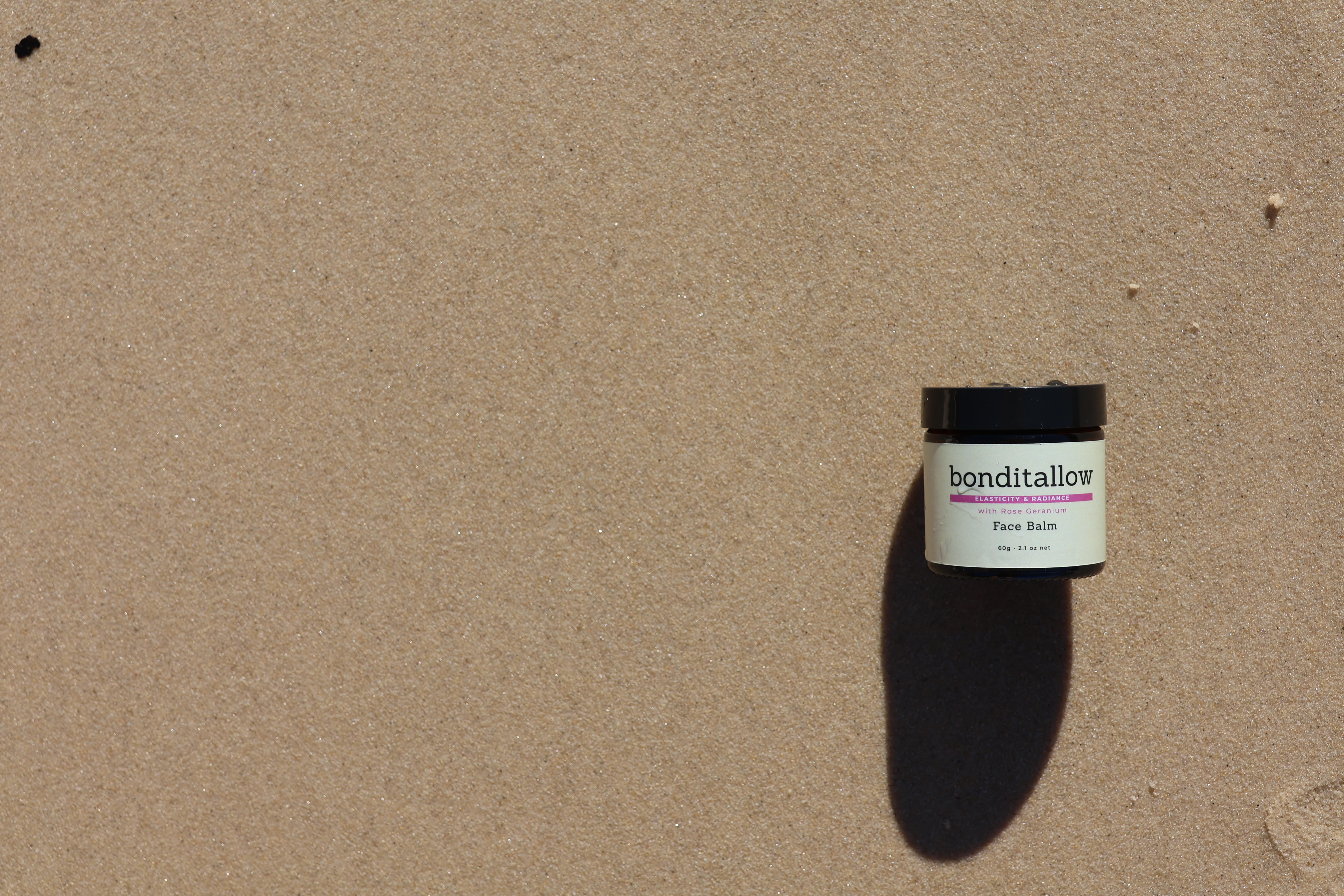
Bonditallow's Facial Gua Sha tool is designed to pair with the brand's Hydrate & Repair Face Balm for facial massage and skin hydration. Strokes move upward and outward from jawline to forehead in gentle, repeated motions, promoting circulation and reducing puffiness while the grass-fed tallow reinforces the skin's barrier during massage.
What Do You Need Before Your Gua Sha Routine?
Two things matter before any gua sha routine begins: a smooth-edged tool and a nourishing glide. Skipping either one drags the tool across dry skin, which risks micro-tears and undoes the calming benefit gua sha is meant to deliver.
What Kind of Tool Works Best for Face Sculpting?
Tools for face sculpting typically come made from steel, jade, rose quartz, or another polished stone. The material matters less than the finish — smooth, rounded edges glide without catching or pulling. A cool metal tool feels especially soothing for reducing morning puffiness. Bonditallow's Facial Gua Sha tool is shaped specifically for the contours of the jaw, cheekbone, and brow, so the same tool covers a full facial routine rather than needing several shapes.
The balm underneath the tool matters just as much as the stone itself. A quality tallow balm contains no seed oils, fillers, or synthetic fragrance — ingredients that can irritate already-reactive skin. Before beginning, apply a small amount onto clean, slightly damp skin across the face, neck, and décolletage. Damp skin helps the balm settle in rather than sit on the surface.
Skin type may influence results. A well-formulated balm is suitable for various skin types, making it a reliable choice for gua sha for lymphatic drainage work. Individual results may vary. If your skin is on the reactive side, the fragrance-free Sensitive Skin Face Balm gives the same glide without any added essential oils.
Checklist before starting:
- Clean, slightly damp skin
- A smooth stone or steel gua sha tool
- A minimal-ingredient tallow balm free of seed oils and synthetic fragrance
How Do You Perform the Gua Sha Technique?
Gua sha technique for de-puffing relies on gentle scraping motions, not pressure. The tool, typically a smooth stone shape, glides across skin that has been prepped with a nourishing balm. Rooted in Traditional Chinese Medicine, the practice supports circulation, relieves facial tension, and helps sculpt contours over time.
A proper gua sha routine follows a clear sequence:
- Cleanse the face and pat dry.
- Apply a nourishing tallow balm generously across the neck, jawline, and cheeks.
- Hold the tool at a low angle, almost flat against the skin.
- Sweep outward and upward along the jawline, using light, repeated strokes.
- Work from the center of the face toward the ears to encourage lymphatic movement.
- Finish along the neck, sweeping downward toward the collarbone.
What's the Right Way to Use Gua Sha With Balm?
Balm comes first, always. How to use gua sha with balm effectively starts with a generous layer. Tallow's fat structure closely matches the skin's own oils, letting the product work with the skin rather than sit on the surface. This compatibility gives the tool a silky glide instead of dragging or tugging — dragging a stone tool across dry or under-moisturised skin is the most common reason people find gua sha uncomfortable rather than relaxing.
Does Gua Sha Really Support Lymphatic Drainage?
Gua sha for lymphatic drainage works through directional strokes that move fluid toward the lymph nodes near the ears and neck. Consistency matters more than pressure here.
Among tools for face sculpting, smooth stone shapes remain the standard choice, prized for even glide and gentle contact with delicate facial skin.
How Long Should a Session Take?
Five to ten minutes is generally plenty for a full-face routine — gua sha rewards consistency over duration. A short daily or every-other-day session tends to produce more noticeable results over a few weeks than one long, occasional session.

Caring for Your Gua Sha Tool
A stone or steel tool needs very little upkeep, but a few habits keep it hygienic and gliding smoothly:
- Clean after every use: wipe with a damp cloth and mild soap to remove leftover balm and any surface oils
- Dry fully before storing: moisture left on stone tools can dull the surface over time
- Avoid dropping it: jade and rose quartz can chip on hard edges, which then catch on skin during use
- Store away from direct sunlight: some stone finishes can fade or change slightly with prolonged UV exposure
Who Should Be Cautious With Facial Gua Sha?
Gua sha is a gentle, low-pressure technique, but it's still a form of facial massage, so a few situations call for extra caution. Avoid gua sha over active breakouts, open cuts, sunburned skin, or any area that's currently inflamed — pressure and dragging can aggravate all of these. If you have a diagnosed skin condition, are pregnant, or are otherwise unsure whether facial massage is appropriate for you, it's worth checking with a doctor or dermatologist before adding it to your routine.
What Mistakes Should You Avoid Afterward?
Three habits undermine results after a session: skipping quality checks on the balm, expecting identical outcomes every time, and abandoning the practice too soon. Skin does not reward impatience, and neither does tallow.
Does the Balm Always Look and Smell the Same?
No, and slight variation in texture, color, or appearance between batches is normal for a natural product. This does not signal a flawed gua sha technique for de-puffing or a defective jar. What does matter is rendering quality: properly refined tallow stays pale, smooth, and close to odorless. Poorly rendered tallow feels greasy or carries an off scent. Choosing grass-fed tallow balm also helps. Its richer, more consistent fatty-acid profile prevents the inconsistent glide that makes a gua sha routine feel rough or uneven.
Why Doesn't De-Puffing Happen Instantly?
Results vary by individual, as with any skincare ingredient. Consistency, not a single session, delivers the calmer, smoother look most people are chasing.
Common mistakes to avoid:
- Judging the balm by one odd-looking batch
- Expecting dramatic lymphatic drainage effects overnight
- Using a poorly rendered or unrefined product on the face
- Quitting the routine after only one or two tries
- Dragging the tool over dry skin without enough balm underneath
How Often Should You Use Gua Sha?
Most people see the best results from a short daily routine rather than an occasional longer one — five minutes every morning tends to outperform a twenty-minute session once a week. The puffiness-reducing effect is largely immediate and temporary on any single day, similar to how a cold compress works, while the longer-term contouring and circulation benefits build gradually with consistent use over several weeks.
If daily feels like too much to commit to, three to four sessions a week is a reasonable middle ground. What matters more than frequency is not skipping the balm step — a dry tool dragged across dry skin defeats the purpose of the technique regardless of how often it's done.
Frequently Asked Questions
Can I use gua sha on my neck and chest, not just my face?
Yes — the same directional, upward-and-outward strokes work well on the neck and décolletage, areas that are just as prone to tension and puffiness as the face. Apply the same balm generously before working the tool over these areas.
Should gua sha be done in the morning or evening?
Both work, depending on what you're using it for. Morning sessions are popular for reducing overnight puffiness and waking the face up. Evening sessions pair well with a richer balm application as part of a wind-down routine, since there's no need to apply makeup afterward.
Is a warm or cold tool better?
Cool stone or metal tends to feel more de-puffing and refreshing, especially first thing in the morning — some people keep their gua sha tool in the fridge for this reason. A room-temperature tool works fine too; temperature is a preference, not a requirement for the technique to work.
Can gua sha replace a face balm on its own?
No — the tool and the balm do different jobs. The balm hydrates and nourishes the skin; the gua sha tool provides the massage and lymphatic-drainage benefit on top of that. Using the tool without enough balm underneath is uncomfortable and increases the risk of micro-tears rather than adding any extra benefit.
Think of the two as a pair rather than alternatives — the balm is what makes the tool comfortable to use, and the tool is what turns a simple moisturising step into an actual facial massage routine.
Conclusion
Pairing facial gua sha with a nourishing tallow balm creates a skincare ritual that honors your skin's natural needs. The gentle massage technique enhances absorption while the tallow's skin-compatible fats deliver deep moisture that addresses dryness and sensitivity at their source. This straightforward approach — combining mindful technique with a properly formulated Gua Sha tool and balm — embodies the minimalist philosophy that transforms stressed skin into a healthier, more resilient complexion.